
We’ve all been there. You’re out on a walk and your child picks up a stick.
Then another stick.
And another.
Soon your hands are full, you’re carrying what appears to be half a tree, and you’re wondering if it would have been easier to stay at home.
But there is actually a very good reason why sticks are so appealing.
There is a whole area of research into children’s play that can help explain it, and it starts with something called loose parts play.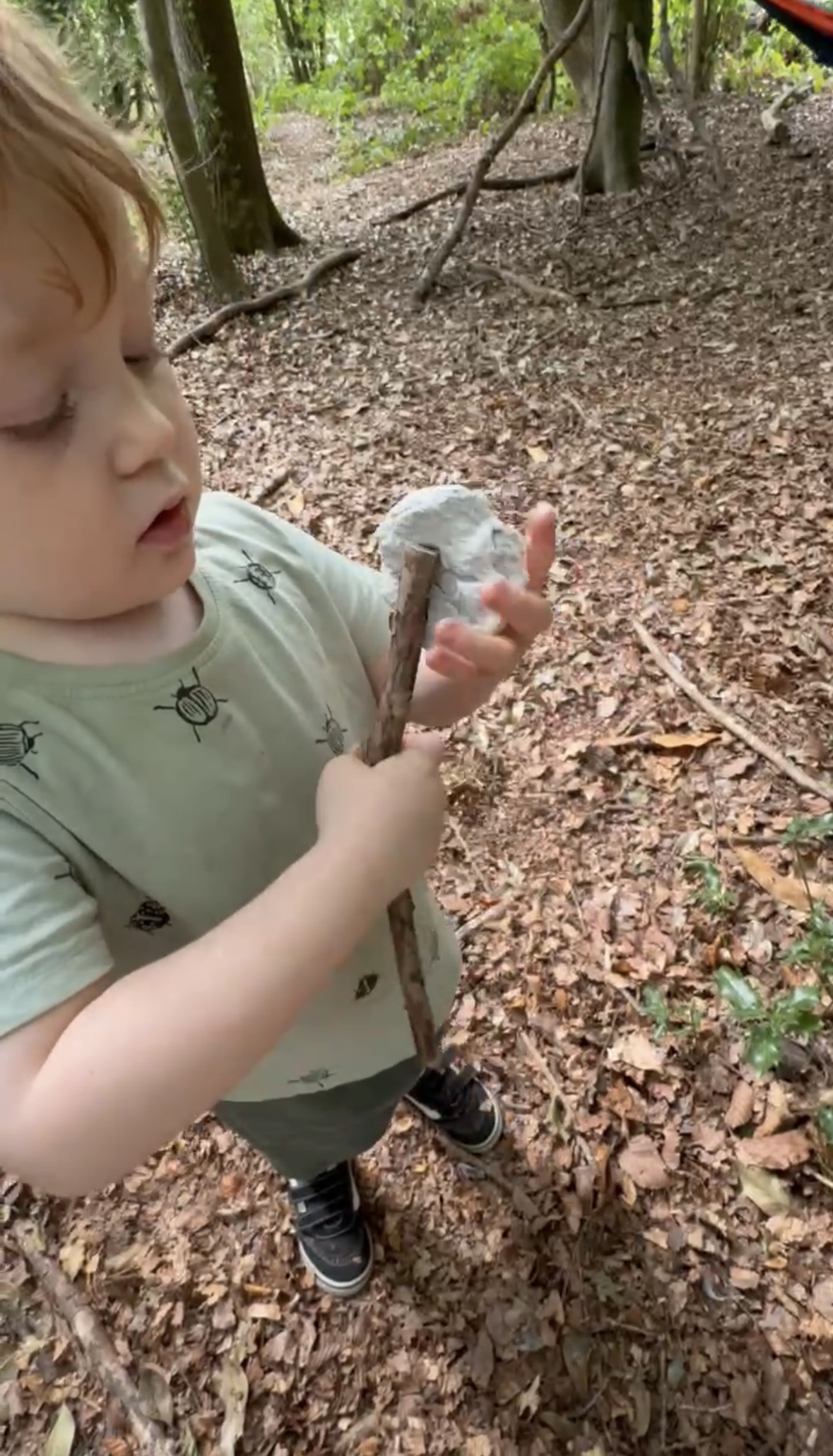
So, what is loose parts play?
Loose parts are objects that don’t have one fixed or predetermined purpose. Instead, they can be moved, combined, manipulated and transformed into whatever the child wants them to be. And nature is absolutely full of them. Sticks, leaves, stones, pinecones, mud, bark and feathers can all become materials for play.
A stick can be a sword. A wand. A fishing rod. A bow. Part of a den. A paintbrush. A pretend horse. Or, quite literally, just a stick.
Unlike many manufactured toys, there isn’t an instruction manual telling a child what they’re supposed to do with it. That seems to be part of the appeal. A stick doesn’t tell you what it is.
Think about a toy with a very specific purpose. A jigsaw puzzle tells you to put the pieces together. A toy car is designed to be driven. A toy kitchen is designed for pretend cooking.
These toys aren’t bad—in fact, they’re great for developing particular skills. But a stick? A stick leaves the decision up to the child.
This is where the idea of affordances comes in. In environmental psychology, an affordance is essentially a possibility for action that an object or environment offers us. The physical properties of an object influence what we can do with it. A small, thin stick might be perfect for drawing in mud. A long, sturdy branch might make a good den pole. A curved stick might become a walking stick—or the neck of an imaginary dinosaur. But the object doesn’t tell the child what it must become. 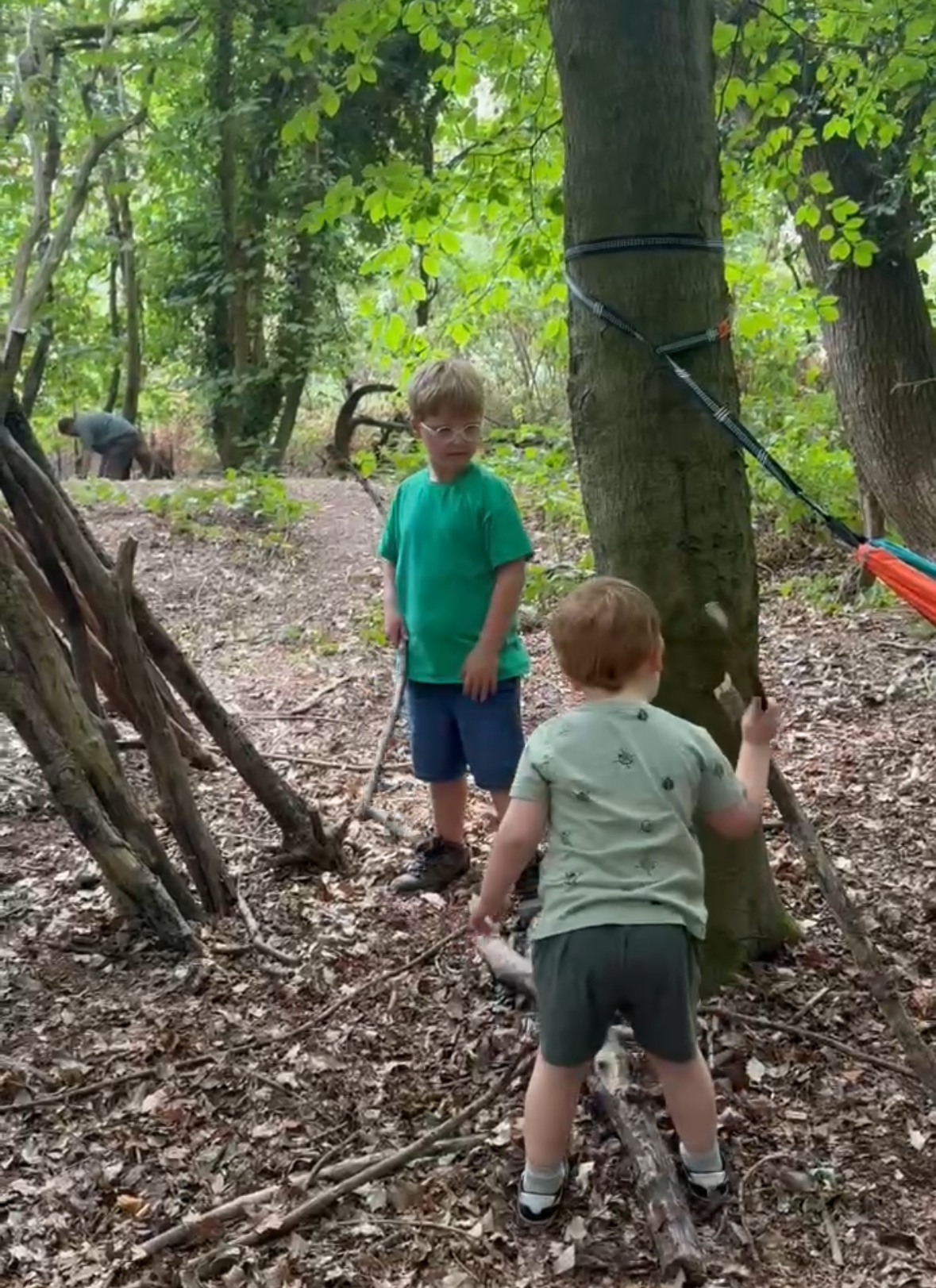
The physical properties create the possibilities; the rest is up to the child and their imagination.
That’s what makes a stick so wonderfully open-ended.
Suddenly, your child is solving problems.
Imagine you’ve decided your stick is a sword and you’re now fighting an imaginary dragon.
You’ve got a problem.
The dragon is bigger than you.
Your stick isn’t quite long enough.
What are you going to do? Perhaps you find a bigger stick.
Perhaps you build a den to hide in. Perhaps you recruit a friend. Perhaps you decide the stick is actually a magic wand and defeat the dragon that way.
It’s play, but it’s also an opportunity to experiment, make decisions, solve problems and adapt when something doesn’t work.
Research into loose parts play suggests that these kinds of open-ended materials may support areas such as creativity, problem-solving and cognitive development. But the research is still developing, and we shouldn’t pretend that scientists have definitively proved that giving a child a stick makes them more creative.
What we can say is that loose parts provide children with opportunities for open-ended, child-led play, where they have to decide what to do, rather than simply following the purpose built into a toy.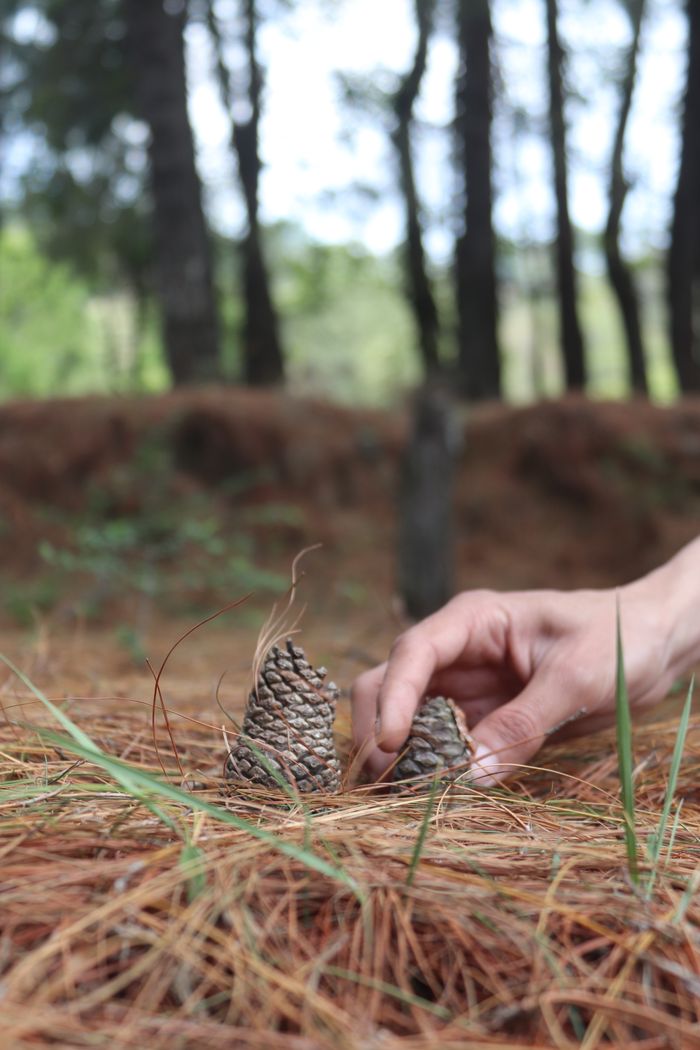
Nature is basically one giant toy box.
This is one of the things I love most about outdoor play.
Children don’t need us to provide a carefully curated selection of loose parts. Nature already has them. A woodland is full of things that can be picked up, moved, collected, stacked investigated and transformed. And unlike a toy box, the contents change every time you visit.
A storm might leave behind new branches. Autumn brings leaves and conkers. Spring brings flowers and feathers. Mud appears after rain. Stones, bark and pinecones are always waiting to be discovered. There is always something new to work with.
Sticks don’t just encourage imagination; there’s also a physical side to all of this. A stick needs to be picked up, carried, dragged, balanced, stacked or used to build something.
A den needs branches.
A stick collection needs carrying.
A pretend fishing rod needs casting.
A sword fight requires movement.
Loose parts in outdoor environments can therefore encourage children to move, explore and interact with their surroundings, rather than simply sitting and playing with a toy in one fixed place.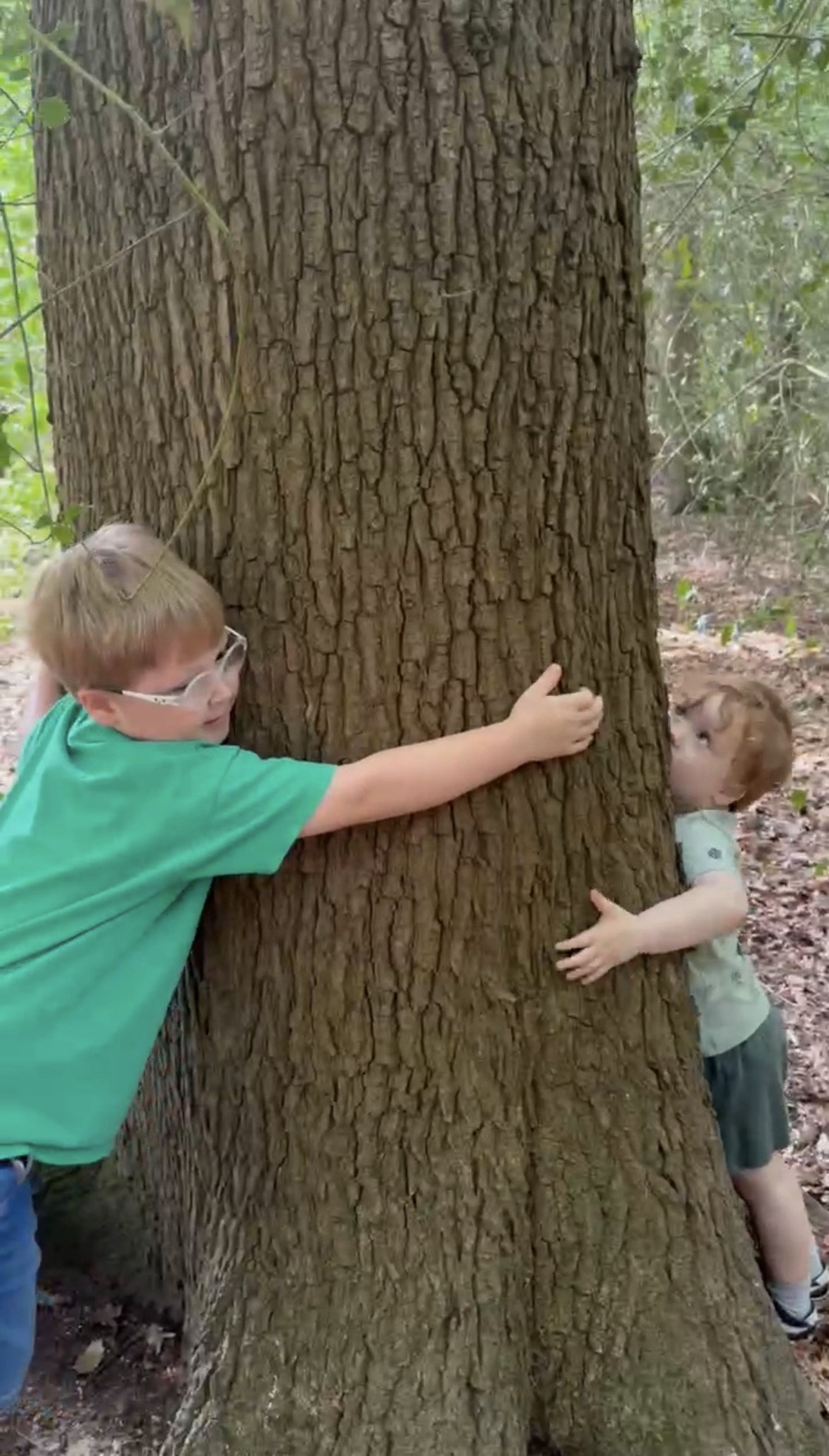
So why do children love sticks? Maybe the answer is actually quite simple.
Because sticks don’t tell them what to do.
They offer possibilities without giving them a predetermined purpose. A stick can become whatever a child needs it to be in that moment.
So maybe that’s why the stick you’ve just been asked to carry for the last half an hour isn’t rubbish after all.
It’s a sword.
Or a wand.
Or a fishing rod.
Or a dinosaur bone.
Or the most important stick in the entire forest.
So, the next time you’re halfway through a walk, your arms are full of sticks and you’re wondering why your child needs another one, remember: They’re not collecting sticks.
They’re collecting possibilities.
Although that doesn’t mean you’re obliged to carry them all home